
The Great Pile-On: How to Sustain Performance Without Sacrificing Culture



It’s a pattern many of us recognize. Workloads creep up. Expectations rise. Responsibilities stack. What was supposed to be temporary slowly becomes the norm, and teams end up carrying more than they can reasonably sustain.
That slow buildup is a phenomenon we’re calling “The Great Pile-On.” It’s not sudden, it’s gradual, and it cascades through every stage of the employee lifecycle. Hiring gets harder when roles balloon beyond what one person can own. Development slips when managers don’t have the bandwidth to coach. Engagement drops when people feel stretched with no end in sight. Retention suffers when top performers burn out or seek relief elsewhere.
The challenge isn’t about whether you can keep performance high. It’s about doing so without eroding the trust, safety, and engagement that make performance possible in the first place.
We surveyed 1,477 people to understand what separates organizations that sustain high performance from those that don’t. The answer isn’t about working harder or expecting more. It’s about two often overlooked factors that act as force multipliers for everything else: leadership alignment and manager capacity.
Leadership Alignment Multiplies Psychological Safety
The first factor is leadership alignment.
High expectations don’t have to come at the cost of psychological safety. This only works when what leaders say matches what they do. When leaders’ actions match their words, something shifts. Employees feel safer speaking up, taking risks, and bringing challenges forward.
The data makes this clear. Our research found that 77% of respondents reported high psychological safety when leadership alignment was strong, compared to just 33% when alignment was low.
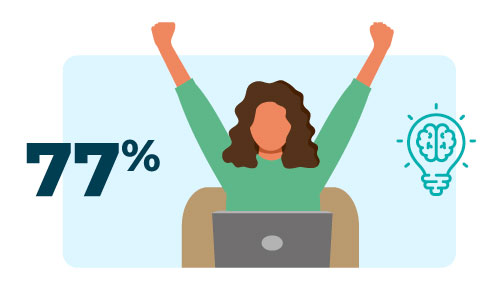
77% of respondents reported high psychological safety when leadership is aligned.
We discovered that when leadership behavior reflects the organization’s stated values and ways of working, employees are nearly 7x more likely to report high psychological safety.
The takeaway? Employees can handle high expectations when they trust that the system is fair, and leaders mean what they say. That trust is what makes high performance sustainable.
Well-Equipped Managers Build Sustainable Cultures
The second factor is manager capacity.
Managers shape sustainable performance. They decide who does what, who’s ready for more, and how to keep their teams engaged when things change. However, they’re often doing it without the insights they need.
Manager capacity isn’t just about time. It’s about having the right information to lead well, including a clear understanding of individual strengths, role fits, and what drives performance. It’s the difference between guessing and knowing.
According to our data, among organizations where manager capacity was high, 85% said their culture was sustainable. When it was low, only 38% could say the same.
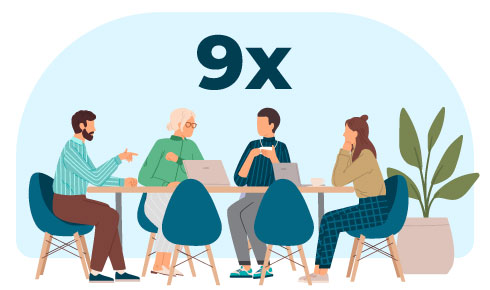
Organizations with well-equipped managers are 9x more likely to view their culture as sustainable.
When managers understand their people, they make better decisions. They can hire smarter, develop more effectively, and see problems coming.
What This Means for Talent Strategy
The data shows us that sustainable performance isn’t a choice between high expectations and a healthy culture. It takes both. Leaders need to match their actions with their words, and managers need the right insights to make strong people decisions.
Insight into strengths, fit, and performance enables organizations to:

Sustain high
expectations

Strengthen
psychological safety

Preserve
engagement

Prevent cultural
erosion
When you’re hiring, give managers tools that reveal strengths from day one. When you’re developing people, make sure they can see what’s working and what needs attention. When workloads shift, equip managers to rebalance work based on capacity and capability, not just availability.
This only works if leadership behavior reinforces it. Because even the best manager insights won’t matter if employees don’t trust the system around them.
The Great Pile-On isn’t going away. It’s part of modern work, but it doesn’t have to break your culture. Build processes where alignment and insight work together to create the conditions for lasting performance.
When everything around you is shifting, it’s important to take the guesswork out of understanding your people. PXT Select® assessments give leaders and managers clear data-driven insights into strengths, fit, and performance patterns so they can support people through change and place them where they’ll thrive. It turns constant change into a chance to build a more aligned, resilient, high-performing team.
Wiley Workplace Intelligence conducts in-depth research on key workplace issues by gathering insights from individual contributors, managers, and leaders. Wiley Workplace Intelligence then analyzes these findings to provide actionable solutions that are shared in our blog.
Did You like This Content?
Join our newsletter to get insights,
updates and more!